Pregnancy
About 31 days
The warren
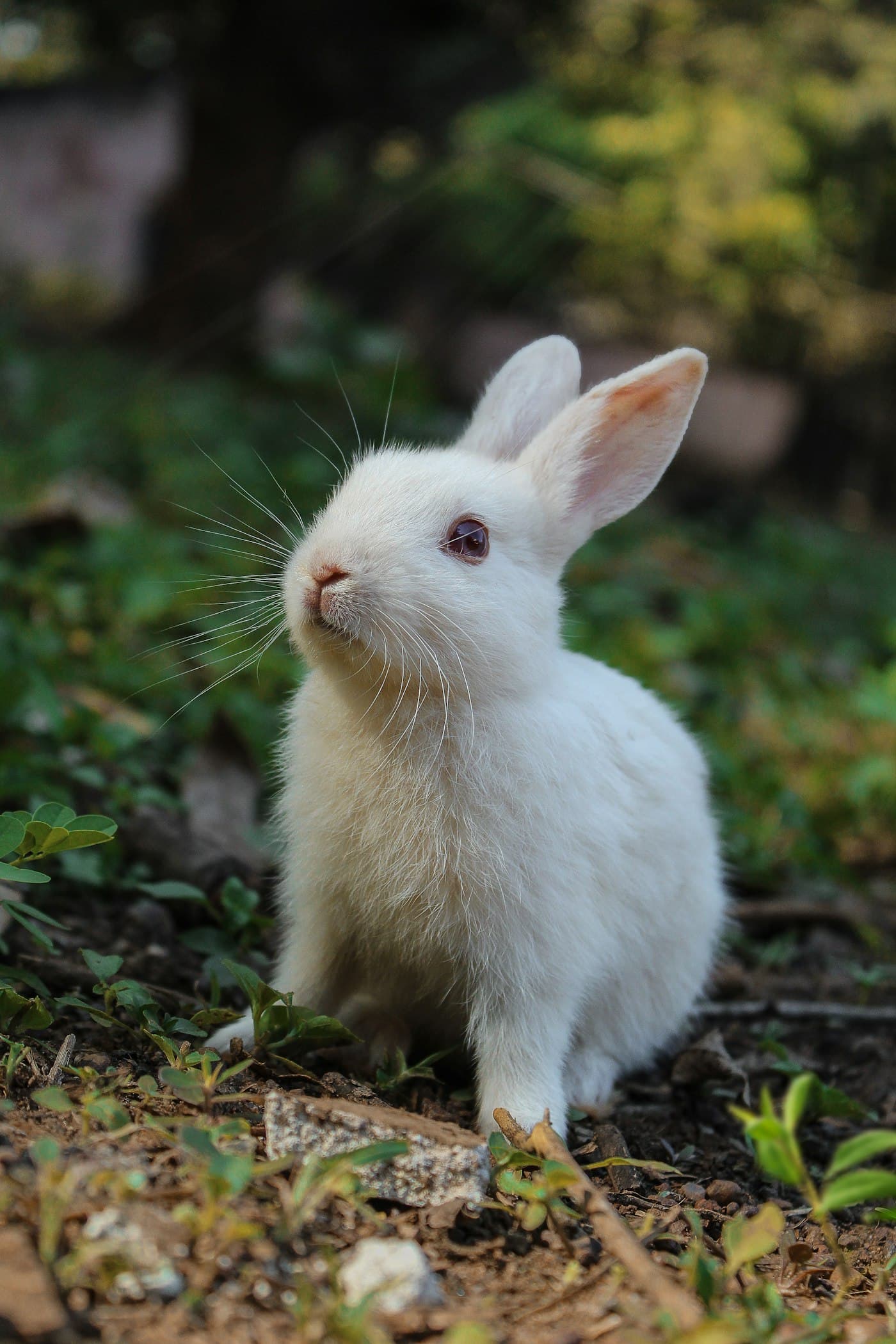
A farm rabbit is quiet stock: a breeding pair for a home warren, or a grow-out on the way to the table. Hay and grass come first. Grain sits beside that, not instead of it.
Lahore, Pakistan
Pregnancy
About 31 days
Main feed
Hay and grass
Take home
Pairs or grow-outs
Housing
Small groups
Rabbits here are raised in small groups and handled often, so they stay calm when they travel. Some leave as breeding stock: a doe and a buck you can start with. Others leave as grow-outs, young rabbits fed on toward meat weight.
A meat-type rabbit tends to be blocky through the hindquarters, which is where the meat is. A lop with long soft ears is a different look, often kept as a calm companion rabbit. Tell us if you want stock to breed, an animal to keep, or a rabbit for the pot. Those are different ages and different animals.
Rabbits are herbivores. Hay and grass keep the gut moving. Grain is a supplement, not the whole meal. They need water all the time, a dry bed, and room to hop. A crowded stack is a poor way to keep them, so groups stay small.
A doe carries for about 31 days. The kits are born with their eyes closed and almost no fur. She feeds them, and they wean over the following weeks. A calm, handled doe is easier to manage than a rabbit that has never been picked up.
Look for bright eyes, a clean coat, and a rabbit that is interested in food. Ask the age, and whether the animal is for breeding or for meat. Breeding stock should be old enough and fit. A grow-out should be the size you expect to finish.
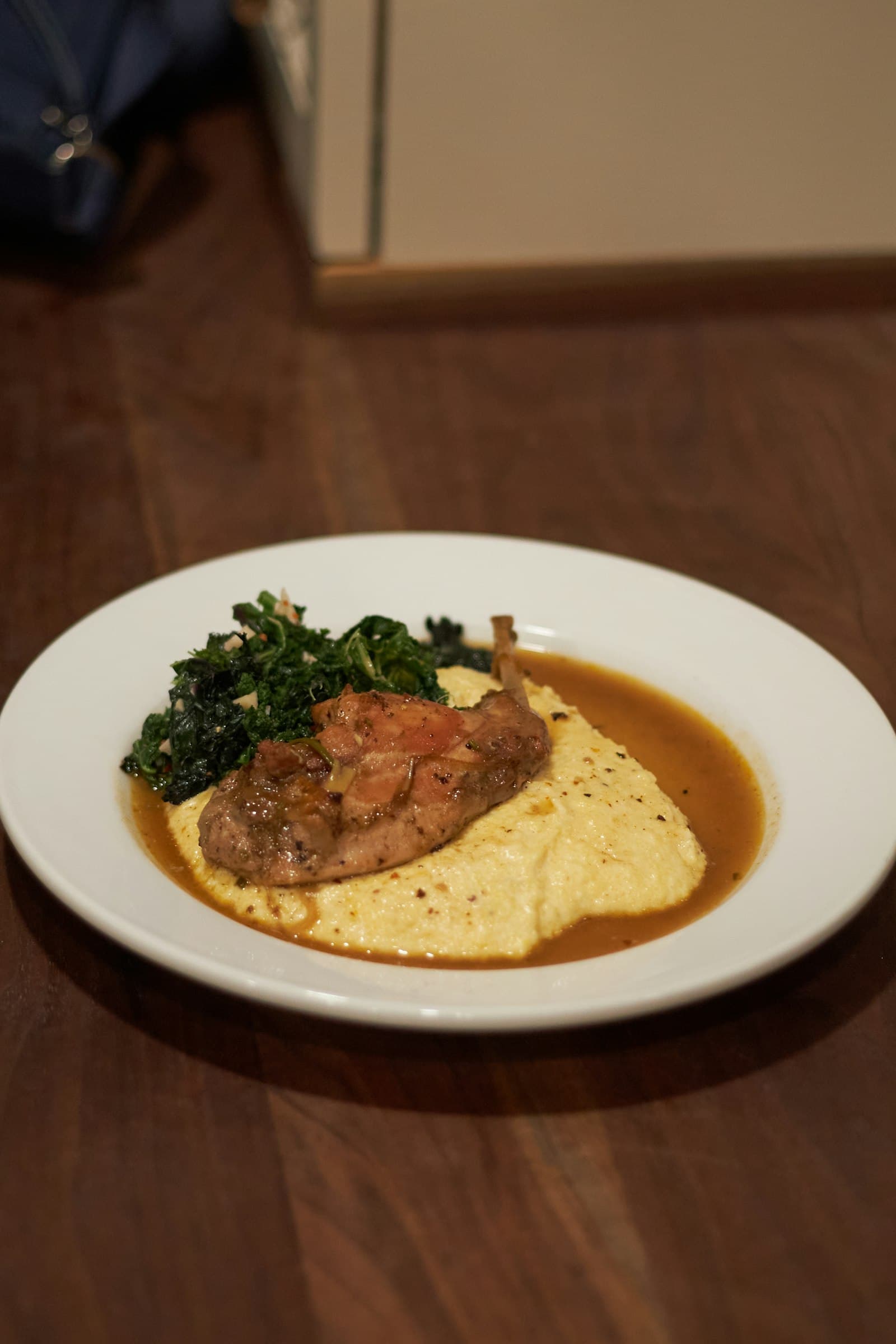
If the rabbit is for the kitchen rather than the yard, the rabbit meat page explains the meat itself: lean, mild, and best cooked with a little moisture.